Build Customized Training Plans Using Tools
 Sumit SethFounder, Naamly
6 min read
Sumit SethFounder, Naamly
6 min read
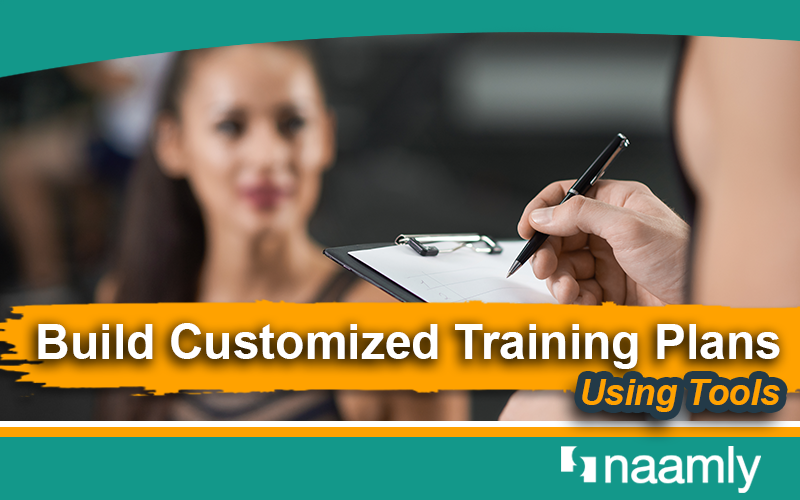
Gym owners offering personal training often live in the tension between two goals.
Personal training that feels truly personal.
And systems that don’t take all day to run.
The answer is not choosing one or the other.
The answer is learning how to use tools to create customized training plans without losing the human judgment that makes coaching effective.
That means letting tools handle repetition, while coaches handle decisions.
When done right, this approach scales coaching quality, not just capacity.
Not Starting from Scratch
A common mistake is thinking that customization means reinventing the workout every time.
It doesn’t.
Most good programs share the same bones:
- A consistent structure
- Familiar movement patterns
- Clear weekly goals
- Planned progressions
Customization happens in the details.
This is why Rick Mayo of Alloy Personal Training talks so often about systems that support coaching, not systems that replace it. Coaches are still expected to think. They’re just not expected to rewrite the same program fifty different ways.
When you use tools to create customized training plans, templates are the foundation, not the final product.
Modifications are where real coaching shows up
You can’t apply one standard workout to everyone. You know this just doesn’t work. There are too many variables at play, too many personal needs among various clients.
This is where tools like Naamly’s and human judgment meet.
Let’s say a member recently had shoulder surgery. They can’t press overhead. They may not even be cleared for certain ranges of motion.
The tools handle scheduling, attendance, storing of notes and restrictions, etc.
The coach selects safe alternatives and modifications, adjusts volume and intensity, and communicates confidence and trust.
A push press might become:
- A landmine press
- A half-kneeling cable press
- A floor press
- Or a lower-body dominant session that day
Read, “Simple Tactics to Personalize Client Experiences”
The important part is this: The plan already exists. The trainer is planning intentional modifications, not reacting to whatever he learns about each client on any given day.
That is exactly how you use tools to create customized training plans while protecting safety and results.

When Customization Starts
Great programming depends on good information, and that’s not just injuries and goals.
It’s also context, like:
- Recent surgeries or physical therapy history
- Old injuries that still affect confidence
- Lifestyle stress
- Upcoming events
- Travel plans
- Time constraints
If Mr. Jones has a big vacation coming up and wants to feel good walking, hiking, and carrying bags, that matters.
His plan might emphasize:
- Lower-body endurance
- Unilateral strength
- Core stability
- Conditioning that mimics longer efforts
That information should not live in one coach’s head.
When you use tools to create customized training plans, that context lives with the member profile. Any coach can see it. Any coach can program accordingly.
Succeed or Fail
Vince Gabriele has been clear for years about what makes small group personal training work: Individualized coaching within a shared structure.
You’re not writing full individual workouts for everyone, just like you aren’t given them all the identical playbooks.
But you might have everyone squatting today – just maybe not in the same way.
One member goblet squats.
One uses a box.
One works on tempo.
One stays lighter because of knee history.
Tools allow the session to run smoothly. Coaches handle the nuance.
This balance lets you scale quality coaching in a small group environment. It’s also a great way to burn out staff if you don’t have systems.
That is why gyms that use tools to create customized training plans tend to retain both members and coaches longer.
Automation Should Support Judgment, Not Replace It
Automation gets a bad reputation because people assume it removes care.
But really, it removes friction so that trainers can provide better, more personalized care.
The right tools automate:
- Session scheduling
- Reminders
- Attendance tracking
- Basic follow-ups
- Progress logs
That frees coaches to pay closer attention, ask better questions, and make smarter modifications.
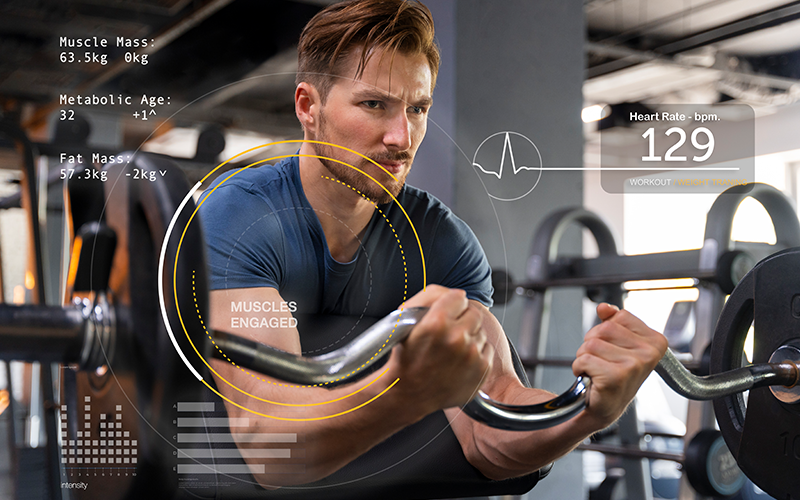
Naamly focuses on reducing the manual work around scheduling, recurring sessions, and communication so that trainers are not chasing calendars or re-sending the same messages.
When scheduling runs smoothly, coaches have more space to think about programming.
That is a practical example of how gyms use tools to create customized training plans without adding staff.
Customization: Faster and More Consistent
Smart gyms don’t leave every decision to chance.
They agree on simple programming rules around injury, missed sessions, and members’ stress levels.
It helps guide decisions and keep the member experience consistent, even when working with different coaches.
Tools help enforce these standards by keeping notes, flags, and patterns visible. Coaches still choose the exercises, but they’re choosing within a shared philosophy.
This is another reason to use tools to create customized training plans instead of relying on memory.
Personalization Is Also Emotional
Customization is great for driving motivation. Think about it.
If a member hates rowing, that matters.
If they love sled work, that matters.
If they are nervous after an injury, that matters.
Those details influence adherence.
Rick Mayo often emphasizes that consistency beats perfection. The best plan is the one someone will actually follow. So, you’ve got to work at helping each member do that, and that means knowing each member well – across your team, not just one coach and their favorites.
Tools help preserve those insights by storing preferences and past feedback. Coaches can program around them instead of relearning them every six months.
That continuity is part of how gyms use tools to create customized training plans that keep people engaged.
What a Workable System Looks Like
A clean setup includes:
- Standardized intake and notes
- A small library of base programs
- Clear modification rules
- A programming tool
- A member experience platform for communication and scheduling
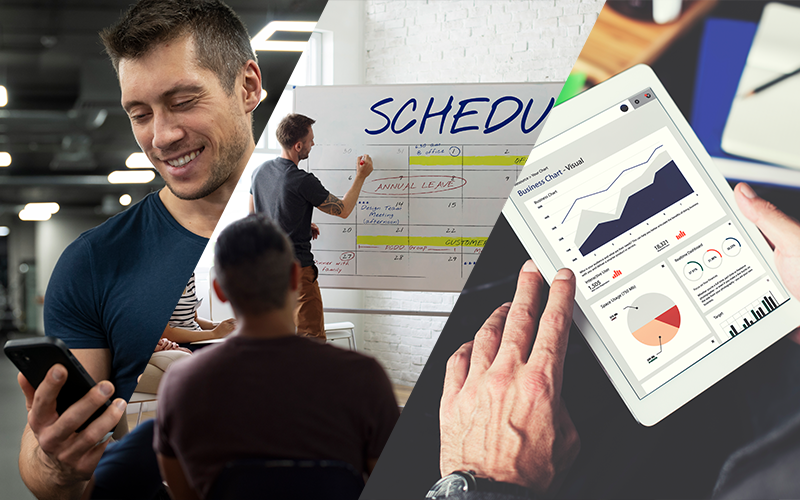
Naamly can support the communication and scheduling side, helping reduce the administrative drag that pulls coaches away from coaching.
The result:
- Tools handle repetition
- Coaches handle judgment
- Members feel seen
That is the whole point when you use tools to create customized training plans.
Customization does not mean chaos.
With the right structure, it becomes repeatable, scalable, and sustainable.
And that is how smart gyms use tools to create customized training plans that grow the business without burning out the people inside it.
Don’t Miss Out: Get Our Free “9 Secrets to Increase Retention.”
About the author
Sumit SethFounder, NaamlySumit founded Naamly to give training gyms one system for billing, scheduling, texting and staff accountability, and still runs every product demo himself. He writes about retention, billing and the daily rhythm that lets owners step away from the front desk.
Free download
Want more ways to grow your gym?
Get the Fitness Business Boost Bundle: a checklist, a cheatsheet and a guide from the team behind Naamly.