Better Growth: Integrate With Existing Systems
 Sumit SethFounder, Naamly
7 min read
Sumit SethFounder, Naamly
7 min read

If you hope to scale your gym, you must integrate new tools with your existing systems to keep up the high-performance environment.
Let’s say you found a great new tool. Maybe it tracks member engagement, or it automates follow-ups.
Nice. So, you add it.
Then you add another one. Before long, you’re running your gym on five separate platforms that barely communicate with each other — and your staff spends chunks of every shift copying data from one screen to another just to keep things moving.
That kind of bottleneck isn’t a smart way to use tech to grow your gym.
Integrating systems is essential if you want to scale up. No matter how powerful a single tool is, none of them can do much in isolation. When you try, you end up losing time and focus, adding to chaos, and preventing organized, repeatable growth.
The obvious pain is manual work. Do any of these sound familiar?
- Employees enter the same member information into two or three platforms.
- Reports don’t match up.
- You have data in a separate corner of every application you own.
But the hidden cost is bigger.
When your systems don’t communicate, you can’t see the full picture of a member’s journey — from first their first inquiry to their sales conversation to renewal.
You can’t trigger the right follow-up message at the right moment.
You can’t make confident decisions because your data is scattered across platforms that were never designed to work together.
Naamly describes the problem directly: Most gym owners waste hours juggling tools that don’t talk to each other — billing, scheduling, messages, spreadsheets — and still lose clients to missed follow-ups and miscommunication.
You can’t afford structural problems like that. The solution is to integrate with your existing systems.
Research from Gartner found that businesses using integrated management software reduce operational overhead by up to 30 percent. They do so largely by eliminating manual processes and tools that live in separate worlds.
Integrate with your existing systems, and you’re improving staff efficiency, member retention, and your profitability.
So, first, stop thinking that This Next Software will be The One to solve everything.
You don’t need more software, just smarter software — tools designed to integrate with your existing systems, so everything flows together.
Why Integration Is a Scalability Issue
When you’re scaling, it’s really easy for problems to get bigger. So, if there’s any friction when you have 200 members, it’ll be worse when you have 500. A disruptive workflow at Location 1 will be just as annoying when you open Location 2.
When you integrate with your existing systems the right way, adding members or adding locations doesn’t multiply your administrative load.
Read more from Naamly — Proven Strategies to Reduce Administrative Workload
Instead, it scales cleanly. Your CRM passes information to your billing platform. Your communication tools fire automatically based on member behavior. Your reporting dashboard pulls from every source at once, giving you a real-time picture of your business without anyone having to build it manually.
That’s what scalability looks like in practice. And it only works when the tools are connected, after you integrate with your existing systems.

The Real Cost of Tools That Don’t Talk
Vince Gabriele, who built one of the most respected personal training gyms in the country and now coaches gym owners nationwide, knows first-hand what happens when systems stay disconnected.
Coaches end up bouncing between platforms to find basic member information, and the consistency that builds retention breaks down.
After implementing an integrated approach with Naamly, Vince put it plainly: “Our coaches effortlessly connect with our members and keep them accountable without having to go to multiple systems.”
That’s the difference. When you integrate with your existing systems properly, your coaches stay focused on members — not on hunting down data.
The downstream effect is real.
- Member experience improves when coaches show up informed.
- Retention improves when follow-up is consistent.
- Revenue improves when nothing falls through the cracks.
None of that happens when your tools operate in silos.
Future-Proofing Starts Now
Simply put, outdated systems that block integration or prevent personalization make modernizing no longer optional. Leaders need to recognize when old tools are holding them back and replace solutions that bring it all together to help you develop scalable growth.
The fitness industry is moving fast. Wearables, AI-driven coaching tools, advanced member analytics … all these new capabilities (and more) are coming quickly. You can adapt to new innovations when you’ve already built open, connected systems.
So, by integrating now, you’re killing two birds with one stone. You’re solving today’s problems, and you’re building a foundation to adapt even more as things continue evolving.
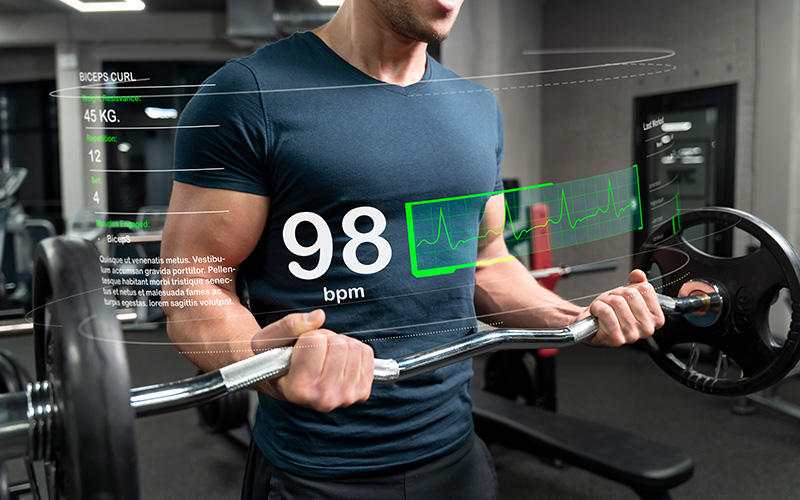
Here’s just some of what’s quickly become standard and expected: connected systems that tie together wearable devices, fitness equipment, social platforms, management software, and access control.
Don’t wait just to scramble later. Integrate with your existing systems now to avoid disruption.

Chris Cooper, founder of Two-Brain Business and author of Millionaire Gym Owner, learned this the hard way when he had to rebuild his own gym from the ground up.
After he conducted a full audit, he concluded: “I had to bring things down to absolute solid bedrock before I could build them back up again.”
Make sure the foundation is solid and connected before you try to scale on top of it.
Look for This Before Adding a New Tool
Before adding a new platform to your operation, ask one question: does it integrate with your existing systems? If the answer is no — or “sort of, with some extra effort” — that’s a red flag.
Look for open APIs, which signal that a platform was built to connect. Look for native integrations with the tools you already use. Naamly, for example, connects directly with platforms like Mindbody, MyZone, and InBody, pulling data from the tools gym owners already rely on and unifying it in one place.
That’s what it means to integrate with your existing systems rather than replace them.
Also look for a track record with growing or multi-location operators. If a platform can handle five locations, it can handle yours as you expand. Ask vendors for references from gyms that have scaled. The answers will tell you quickly whether the tool is built for growth or just for getting started.
Integration Is a Competitive Advantage
Think about what’s possible when everything works together. A member signs up. Your CRM captures the lead. Billing processes automatically. A welcome sequence launches. Your check-in system updates. Your coaches open their app and see everything they need.
That’s the kind of seamless experience that makes your gym feel like a well-run operation to every member who walks through the door.
It only happens when you integrate your systems so you can add to a connected environment – rather than scrambling to somehow bolt it on as an afterthought.
Yes, people can tell. Because it always shows up.
And it only happens when you integrate with your existing systems from the start, building each new tool into a connected environment rather than bolting it on as an afterthought.
The future of fitness belongs to brands that use tech to create value.

It’s not about adding tools endlessly.
Get connected. Integrate with your existing systems. Build on that. And you’ll scale like a champ.Cut your gym’s billing costs by up to $5,000 a year. Book your free 30-minute billing savings audit. MORE INFO.
About the author
Sumit SethFounder, NaamlySumit founded Naamly to give training gyms one system for billing, scheduling, texting and staff accountability, and still runs every product demo himself. He writes about retention, billing and the daily rhythm that lets owners step away from the front desk.
Free download
Want more ways to grow your gym?
Get the Fitness Business Boost Bundle: a checklist, a cheatsheet and a guide from the team behind Naamly.