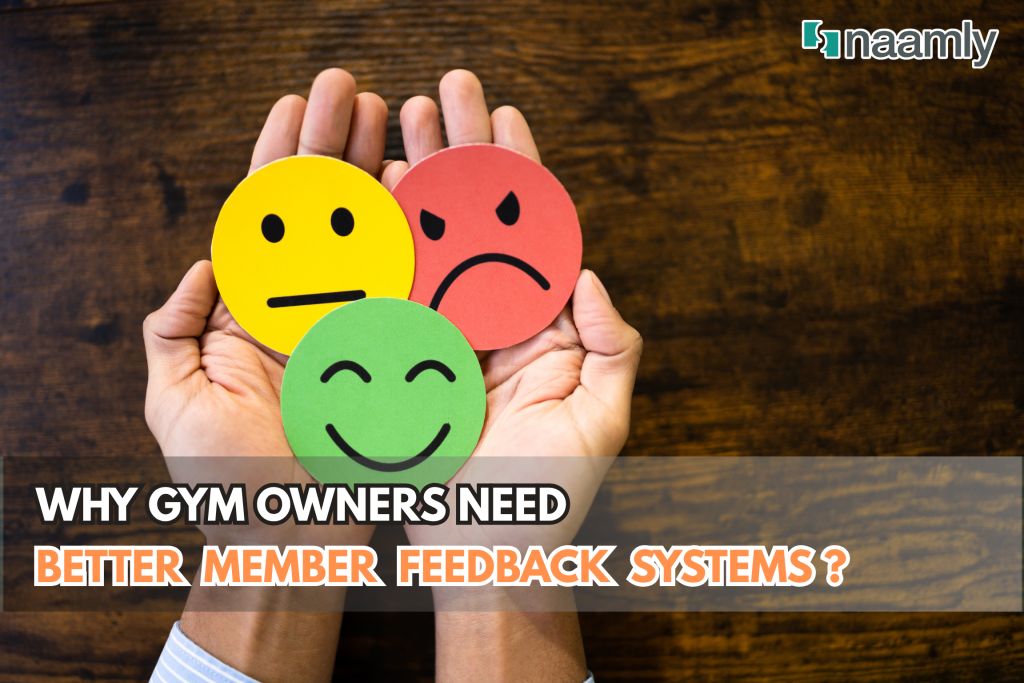
Do you listen to your members?
No, really. Do you listen actively and use member feedback systems?
Or do you just note a comment here and there but mostly go on every day with your own agenda?
Running any business involves a lot of listening. Too many gym owners never tune into that frequency.
And member feedback systems are so much more reliable than mere ears and memory.
If you’re not paying attention to what folks are saying, you run the risk of losing them.
For example:
- A member mentions to a coach that the evening classes have been feeling crowded lately.
- Someone else tells the front desk that she loves her trainer but wishes she knew more people at the gym.
- A longtime member casually says he almost canceled a few months ago because he wasn’t sure he was making progress.
None of these comments sounds like a crisis. But together, they could tell a gym owner quite a bit about what’s working, what isn’t, and what might become a problem.
The trouble is that valuable member feedback often goes nowhere.
Good member feedback systems can change that. They help gym owners gather what members are saying, recognize patterns and turn useful information into action.
And valuable feedback doesn’t have to be negative. We’re not talking about complaint boxes or the high-tech equivalents. Knowing what members love can be just as important as knowing what frustrates them.
Listen Beyond the Complaints
When gym owners think about feedback, they might immediately think about complaints. Of course, complaints matter. But they’re only part of the picture.
Member feedback systems can tell you:
- What people value most about your gym
- Where they feel confused or overlooked
- Which programs, classes or services they enjoy
- Where communication is falling short
- What makes them feel connected to the gym
- Why they might be losing motivation
- What could cause them to leave
- What keeps them coming back
Some of this information will come through formal channels such as surveys. But plenty of it comes through everyday conversations.
A member might tell a trainer that she wishes there were more opportunities to meet other members. Someone might mention at the front desk that he never knows when special events are happening. Another person might say he really appreciated a coach checking in after he missed a week.
Those comments can reveal opportunities to improve the member experience — or examples of things your team should be doing more often.
Without member feedback systems, you run the risk that they don’t disappear after the conversation ends.

Make It Easy to Give Feedback
Most members aren’t going to schedule a meeting with the owner every time they have an opinion. And you probably don’t want them to.
Instead, create simple opportunities for members to tell you what they think.
Member feedback systems can include short surveys, occasional email questions, conversations during progress reviews or a quick check-in after a new member’s first few weeks.
The key word is “short.”
A 25-question survey asking members to rate every aspect of the business might give you plenty of data, but only if people actually complete it. A few focused questions are often more useful.
For example:
· “What’s one thing we could do to improve your experience?”
· “What do you enjoy most about being a member here?”
· “Is there anything you wish we offered or did differently?”
You can also ask about specific experiences. After a workshop or special event, ask attendees what they thought. When you introduce a new class, check in with participants after a few weeks.
The goal of member feedback systems is to create regular opportunities for members to speak — and to make sure someone is listening.
Pay Attention to What Your Team Hears
Your coaches and front-desk employees probably hear more member feedback than you do.
Members talk while warming up. They chat before sessions. They make offhand comments while leaving the gym.
That means your team can be one of your best sources of information in member feedback systems.
Make member feedback a regular part of staff communication. During team meetings, ask a simple question: “What are you hearing from members?”
Maybe three coaches have heard complaints about the same scheduling issue. Perhaps several members have been asking about nutrition services. Or your team might be hearing enthusiastic comments about a new program.
Without member feedback systems for sharing that information, each employee sees only one piece of the picture. Put those pieces together, and a pattern can emerge.
You simply need a consistent place to record useful observations and a regular time to review them.
Organize Feedback So You Can See Patterns
One comment is worth hearing. Five similar comments are worth investigating.
That’s one reason member feedback systems are so valuable. They’re organized.
You might sort comments into broad categories such as coaching, scheduling, communication, facilities, programming, community and billing. You can also distinguish between positive feedback, suggestions and complaints.
Over time, patterns become easier to spot.
Maybe communication complaints appear repeatedly. Members say they didn’t know about an event, missed an announcement or aren’t sure what happens next in their program.
Maybe several people mention that they love a particular coach because she regularly asks about their goals and progress.
Both findings are valuable.
You’ve identified one area that might need improvement and another behavior worth encouraging throughout the team.
Good member feedback systems turn scattered comments into information you can actually use.
Don’t Wait for the Exit Survey
If the first time you ask members how they feel is when they cancel, you’ve waited too long.
Exit surveys can be useful. They can help identify recurring reasons people leave, such as cost, scheduling problems, relocation or dissatisfaction with the experience.
But the more valuable question is often: Could you have learned about the problem earlier?
Ask new members how things are going after their first few weeks. Check in periodically with established members. Pay attention when someone who used to attend regularly starts disappearing.
Member feedback systems won’t prevent every cancellation. But you’ll give yourself more opportunities to address problems while there’s still time to do something about them.
Close the Loop
Asking for feedback creates an expectation that you must fulfill.
If members repeatedly tell you about a problem and nothing changes, eventually they’ll stop telling you. Worse, they might conclude that you don’t really want to know.
That doesn’t mean you have to act on every suggestion.
Members will sometimes want conflicting things, or something you choose to not provide.
Feedback is information, not a list of instructions you must follow to the letter.
Look for patterns. Consider what fits your business and your members. Decide what deserves action.
Then, when appropriate, tell members what you did.
It shows members that speaking up can make a difference. Everyone wants to be heard.
Don’t Forget the Good Stuff
Pay close attention to what members praise.
Positive feedback can help you identify the experiences and behaviors that members value most.
It can also be great for staff morale. Coaches spend a lot of time hearing what needs to be fixed. Make sure they also hear when members say they’re doing a great job.
Gym owners make decisions every day about staffing, programming, schedules, communication, events and the member experience.
Some of those decisions will always require judgment. But they shouldn’t be based entirely on assumptions.
Member feedback systems give you another source of information.
They can tell you where members are struggling, what they appreciate and what they wish were different. They can reveal problems before they grow and highlight strengths you should protect.
Most importantly, they help you understand the experience of your gym from the member’s point of view.
You need a reliable way to listen, organize what you hear, recognize patterns and respond when something deserves attention.
Your members are already telling you what they think.
The question is whether you’re really listening.
Speed up your gym’s success with our free Fitness Business Boost Bundle.

About the author
Sumit SethFounder, NaamlySumit founded Naamly to give training gyms one system for billing, scheduling, texting and staff accountability, and still runs every product demo himself. He writes about retention, billing and the daily rhythm that lets owners step away from the front desk.
Free download
Want more ways to grow your gym?
Get the Fitness Business Boost Bundle: a checklist, a cheatsheet and a guide from the team behind Naamly.